Marketing is the art of creating, communicating, and delivering value to customers. This value, a blend of practical utility and emotional appeal derived from the product’s features, shapes customer perception and drives purchasing decisions. Successful marketing hinges on a robust strategy focused on long-term profits, not just fleeting gains.
With my the recently Executive MBA graduation, I thought it was a good time to share some of the things that I have learned. Marketing for sure was one of the most interesting classes we had and in this blog post I will try to explore some of the key marketing concepts, from foundational principles to advanced strategies, providing a high level understanding of this dynamic field.
Laying the Groundwork: Understanding the Basics
Before venturing into the complexities of marketing, grasping the fundamental concepts is crucial:
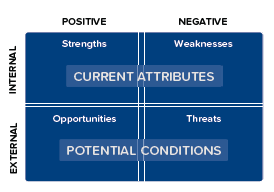
Situation Analysis: A critical first step in crafting a marketing strategy involves evaluating a company’s internal resources and capabilities alongside external factors like competitors and market demand. This evaluation often takes the form of a SWOT analysis, identifying Strengths, Weaknesses, Opportunities, and Threats.

Marketing Mix (The Four Ps): This framework encompasses the controllable elements shaping a company’s marketing strategy: product, price, place, and promotion. These elements are intertwined, requiring careful orchestration for optimal impact. The marketing mix demands constant adaptation throughout the product life cycle as customer demographics and demand fluctuate.
Segmentation, Targeting, and Positioning (STP): This process forms the cornerstone of targeted marketing efforts. It begins with segmentation, dividing consumers into distinct groups based on shared attributes and similar responses to marketing messages. Targeting then focuses on selecting specific segments to address, identifying the ideal target audience. Finally, positioning shapes how the company wants its product to be perceived by the target audience, creating a distinct image relative to competitors.
The Value Proposition: The Heart of Marketing
At the core of marketing lies the value proposition (VP) – the unique blend of benefits a product offers to its target audience. A compelling VP, often articulated as a unique selling proposition (USP), sets a product apart from the competition and resonates with consumers, driving purchase decisions.
Navigating the Marketing Channels: Place and Promotion
Reaching the target market effectively necessitates a strategic approach to product distribution (place) and communication (promotion).
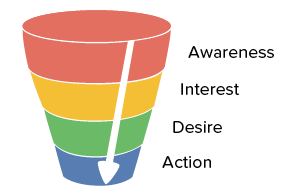
Purchase funnel: The process potential customers (prospects) go through before they decide to buy a product. Marketing activities should be tailored to each stage of the funnel:

- Awareness: Use educational and interesting content that introduces your company and its products. Strive for high reach—exposing many people to your messaging— among those you want to sell to, i.e., your target market.
- Interest: Answer prospects’ questions and provide useful information via product sheets, testimonials, case studies, etc.
- Desire: Prospects have a consideration set of products they evaluate and compare to make a purchase decision. Move them to action using tailored messaging and offers.
Distribution channels act as the bridge between producers and consumers. These channels can be direct, where the product travels directly from the producer to the customer, or indirect, involving intermediaries like wholesalers, distributors, and retailers. Choosing the right distribution channel and intensity (the level of product availability) is crucial for reaching the target audience.
Promotion encompasses all communication strategies employed to persuade potential customers to adopt a product. These strategies range from personal selling, fostering a direct connection between a company representative and the prospect, to advertising through offline or online channels. Public relations (PR), on the other hand, focuses on generating positive third-party mentions of the company or product.
Pricing Strategies: Unveiling the Value Equation
Pricing isn’t just about covering costs; it plays a crucial role in shaping consumer perception of value. Several approaches guide pricing decisions:
- Cost-based pricing: This method determines prices by factoring in production costs and adding a fixed markup.
- Value-based pricing: This approach centers on the perceived value of the product to the customer, setting prices based on what customers are willing to pay.
- Market-based pricing: This strategy considers competitor pricing, adjusting prices to remain competitive within the market.
Beyond these fundamental approaches, understanding psychological biases affecting consumer perception of price and value is critical. For instance, the Weber-Fechner effect highlights the tendency to perceive price differences proportionally rather than in absolute terms. Loss aversion, another bias, demonstrates that consumers weigh potential losses more heavily than potential gains when making purchasing decisions.
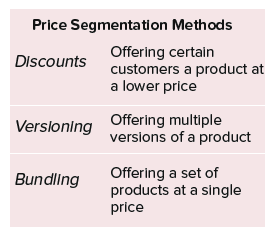
Recognizing and accounting for such biases is key to optimizing pricing strategies. Techniques like price segmentation, versioning, and bundling offer effective ways to cater to varying customer price sensitivities and preferences. Promotional discounts and strategic markdown management can further influence short-term demand and revenue.
The Digital Revolution: Reshaping the Marketing Landscape
The advent of digital marketing has revolutionized the marketing landscape, offering an unprecedented array of tools and strategies for reaching and engaging consumers.
- Digital channels span a wide spectrum, from search engine optimization (SEO), which focuses on improving a website’s organic search ranking, to email marketing for personalized communication, and social media strategies for building communities and engaging audiences. These channels offer unparalleled opportunities for targeted messaging and provide measurable results, enabling marketers to track campaign effectiveness and optimize accordingly.
- Paid digital advertising empowers marketers to reach very specific demographics through various platforms, employing different pricing models. Cost-per-thousand impressions (CPM) focuses on impressions, while cost-per-click (CPC) charges for each click on the ad, and cost-per-action (CPA) ties costs to specific predetermined actions taken by the user.
E-commerce: Navigating the Digital Marketplace
The rise of e-commerce has fundamentally altered consumer behavior and pricing dynamics. The transparency and accessibility of online platforms have fueled intense price competition and increased consumer price sensitivity.
To thrive in the e-commerce arena, businesses must:
- Prioritize exceptional order fulfillment and customer service to build trust and loyalty.
- Implement strategies to cultivate customer loyalty, such as loyalty programs, personalized experiences, and exceptional customer support.
- Explore innovative pricing models tailored to the online environment, including subscription services, dynamic pricing strategies that adjust prices in real-time based on demand and availability, and auction-based pricing for unique or limited products.
By grasping the complexities of the marketing landscape, businesses can navigate the evolving digital realm, understand consumer behavior, and adapt to dynamic pricing strategies. Strategic planning, creative execution, and an unwavering commitment to delivering value are paramount for achieving sustainable growth and nurturing lasting customer relationships.
 Alex Lima
Leave a comment